


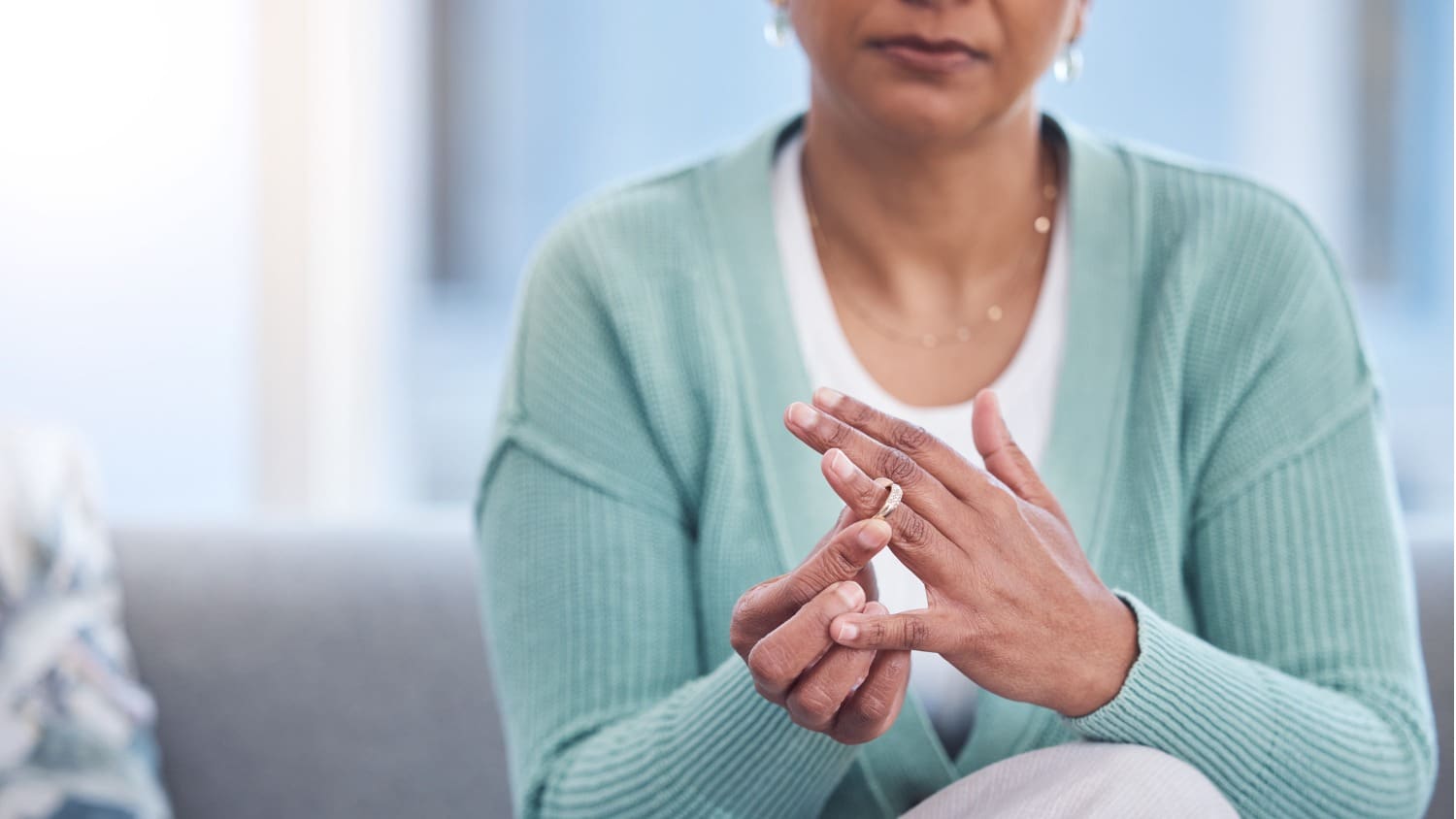
Rebuilding Intimacy After Divorce: A Guide for Seniors
Divorce can be a painful and heart-wrenching experience at any stage of life, but it can be especially challenging for those over 60. The loss of a long-term partner can shake the very foundation of your emotional landscape, and feelings like anger, sadness, and betrayal can overwhelm you. However, moving forward after a marriage marred by infidelity or other issues can open doors to new beginnings, renewed intimacy, and deeper connections.
Understanding Infidelity in Senior Relationships
Infidelity affects countless relationships. While statistics show that about 20-40% of divorces are due to infidelity, understanding the emotional fallout is crucial for healing. Many older adults may feel particularly vulnerable, having invested decades into a relationship. Here are some significant statistics:
- Infidelity accounts for approximately 11% of divorces.
- Emotional affairs, which can be just as damaging as physical ones, make up about 45% of infidelity cases.
- Individuals aged 35 to 44 are three times more likely to commit adultery compared to their partners.
Healing From Divorce: Finding Your Way Forward
Recovering from a divorce, especially one involving infidelity, is not a linear process. It requires a commitment to self-discovery and healing. Here are some strategies tailored for seniors navigating this difficult transition:
1. Acknowledge Your Emotions
It’s perfectly normal to feel a range of emotions, including grief and anger. Allow yourself to recognize and process these feelings rather than suppress them. Journaling can serve as a powerful tool to help you articulate and explore your emotions.
2. Seek Support
Consider reaching out to a therapist specializing in divorce recovery or joining a support group. Surround yourself with understanding friends and family members who can provide emotional support. Sharing your journey with others who have faced similar challenges can be cathartic.
3. Prioritize Self-Care
Your physical and mental well-being should be a priority. Engage in regular physical activity, eat nourishing foods, and ensure you get enough restful sleep. Find hobbies that ignite your passion and distract you from pain, whether it’s painting, gardening, or dancing.
4. Establish Boundaries with Your Ex
If possible, limit contact with your ex-spouse while you work on healing. This might mean restricting conversations to essential topics like financial or co-parenting matters. Allowing yourself time and space away from your ex will facilitate emotional recovery.
5. Embrace New Opportunities for Connection
Divorce can serve as a catalyst for personal growth. Explore new interests or reconnect with old passions. Consider online dating if you’re open to new romantic relationships. Meeting people who share your interests can foster new connections that rejuvenate your sense of intimacy.
6. Practice Forgiveness
Forgiveness is often misinterpreted as condoning the actions of others. Instead, it is about freeing yourself from resentment. This process can be complex, but forgiving both yourself and your former partner allows you to move forward without carrying the weight of anger.
Reimagining Intimacy
As you heal, begin to reflect on what intimacy means to you. It’s not just about physical closeness; emotional intimacy can play an equally crucial role. Engaging in deep conversations, showing vulnerability, and learning to trust again can rekindle the spark in future relationships.
If you’re open to the idea, consider exploring your sensuality and sexuality anew. It’s never too late to embrace intimacy, whether through dating or nurturing existing friendships. Approach these connections with a fresh perspective—allowing joy and laughter to fill the spaces once occupied by sadness.
Moving Forward With Confidence
Healing from a divorce, particularly one with elements of infidelity, can feel daunting. Yet by focusing on self-care, seeking support, and gradually opening yourself to new connections, you can navigate this transition towards a brighter, more fulfilling future.
What have your experiences with divorce taught you about intimacy and connection? How can you embrace a fulfilling life beyond past relationships?